
Build
Anything can be made to work once
The distance between that and a system an organisation can rely on is where the work is: the architecture underneath it, the data it depends on, the verification that keeps it honest, and the people who have to operate it afterwards.
01Featured
Building applied AI systems
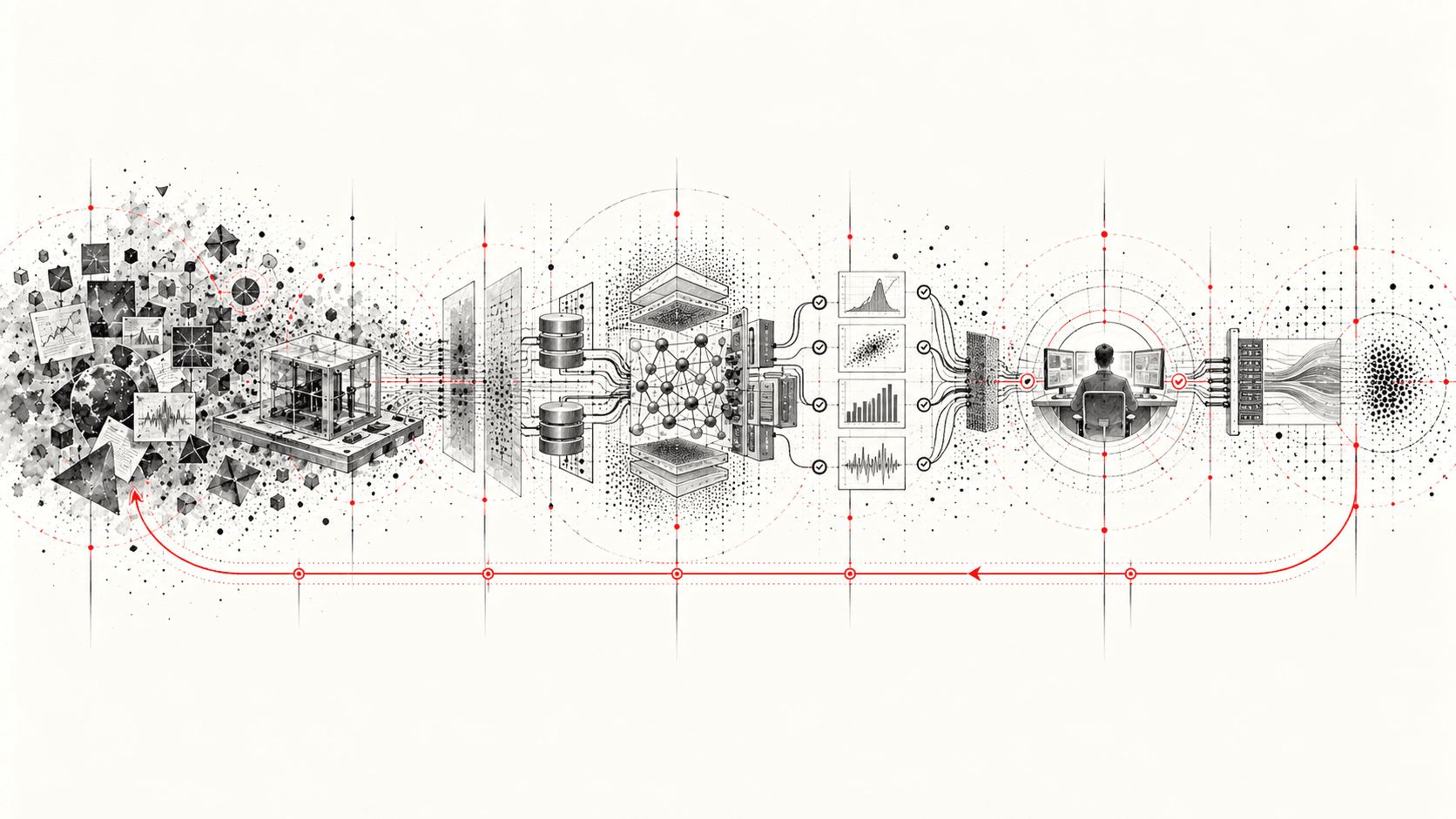
I work across the path from an idea or operational problem to a system people can actually use: product architecture, data, machine learning, AI agents, computer vision and the capability needed to operate them responsibly.
- Problem
- Data
- Models
- Systems
- People
- Improvement
02Build areas
Five areas of work
Capability rather than tools. Each area is a chain: what goes in, what has to be decided along the way, and what comes out the other end.
01
Product & app development
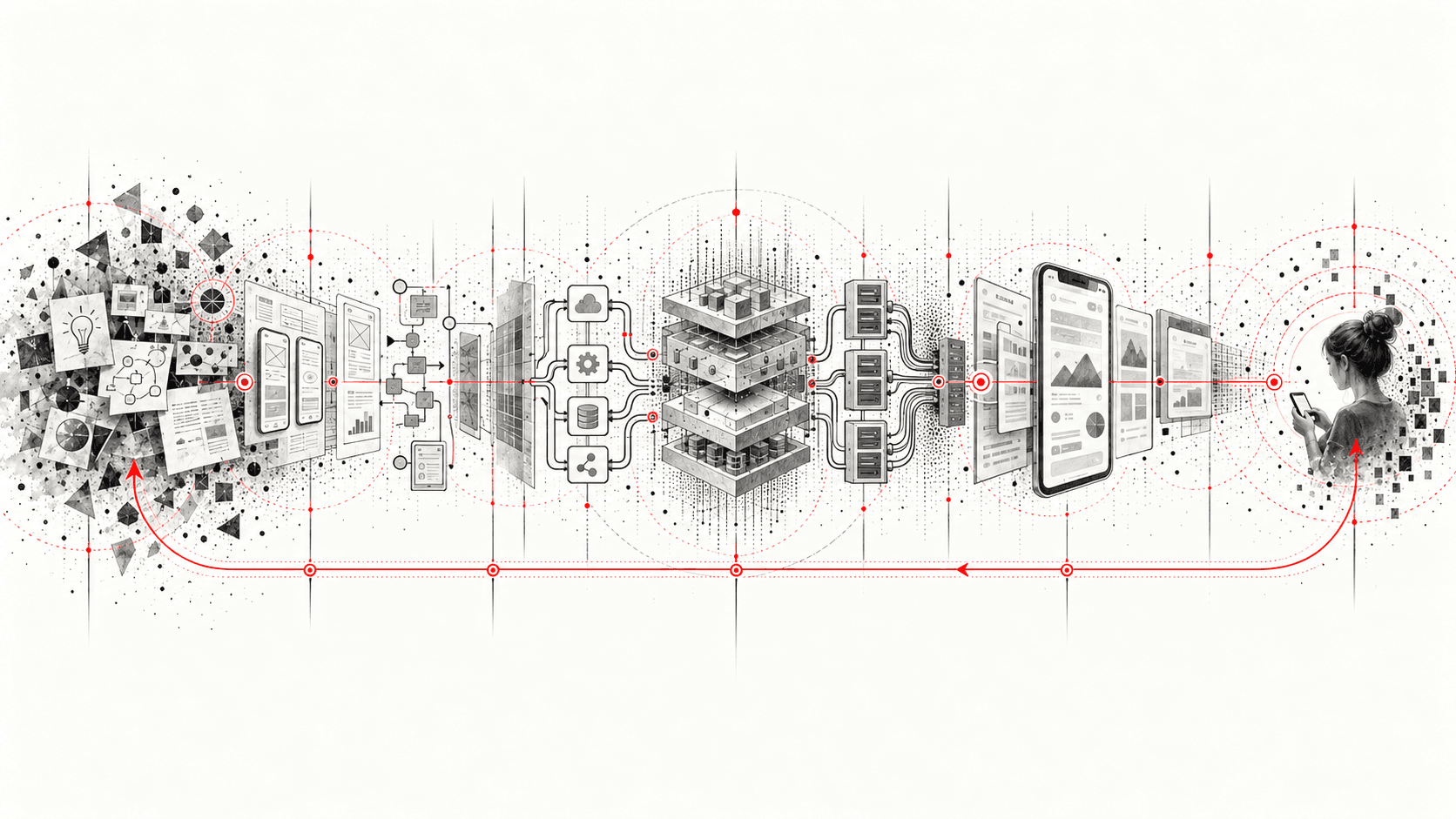
- Product
- Architecture
- Data
- Interface
- User
Applications taken from product logic through architecture, data and interface to something a person can actually use.
The product decisions, the data model and the application architecture stay legible and under my own control, which is what makes the thing changeable after it ships.
02
AI agents & agentic systems
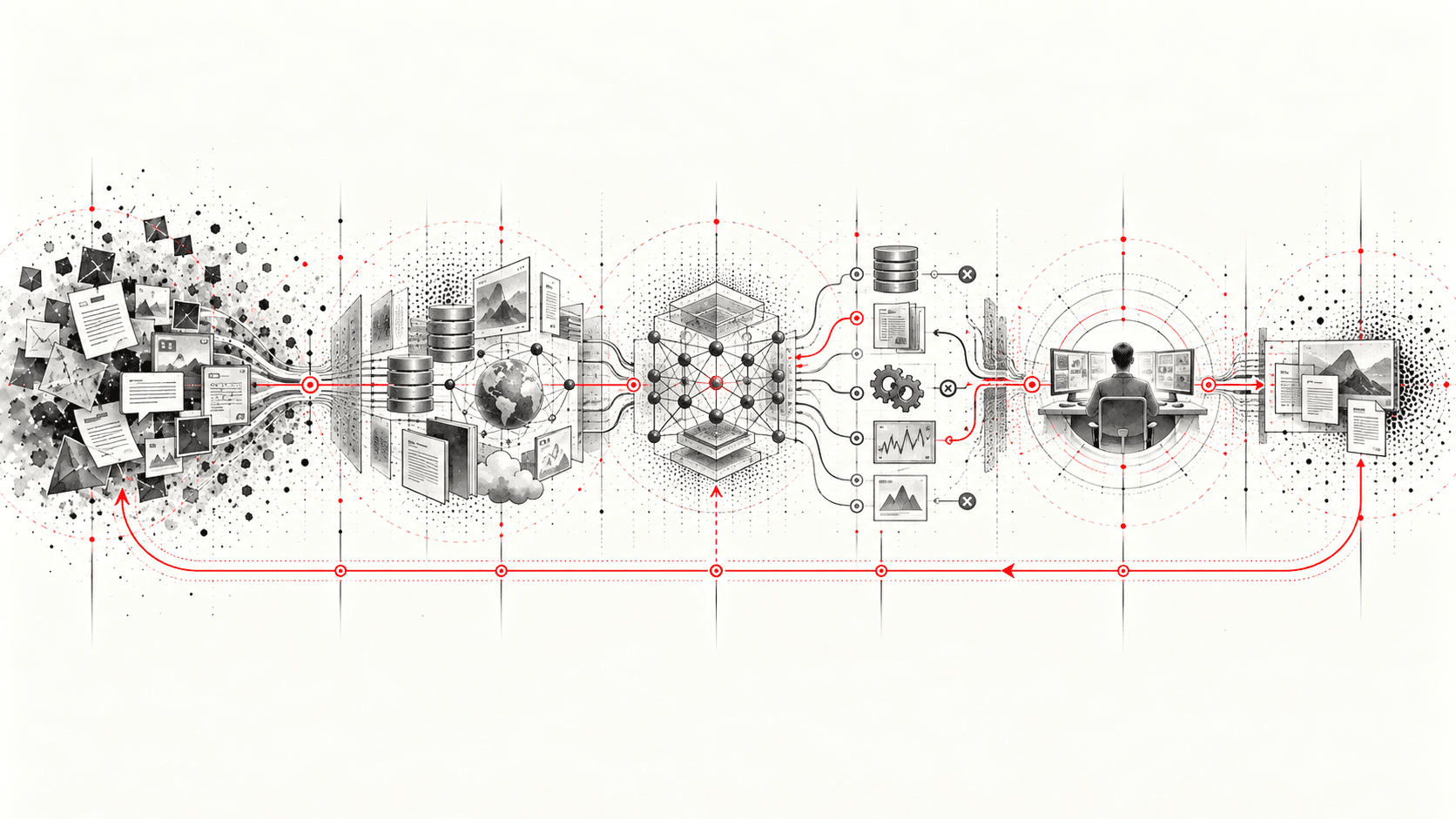
- Input
- Context
- Reasoning
- Tools
- Output
- Verification
Systems that can reason through a task, use tools and context, interact with a person and return something useful within defined boundaries.
Boundaries first: what the agent may reach, what it has to ask, what a person still decides, and how the result is checked before anyone acts on it.
03
Machine learning & data
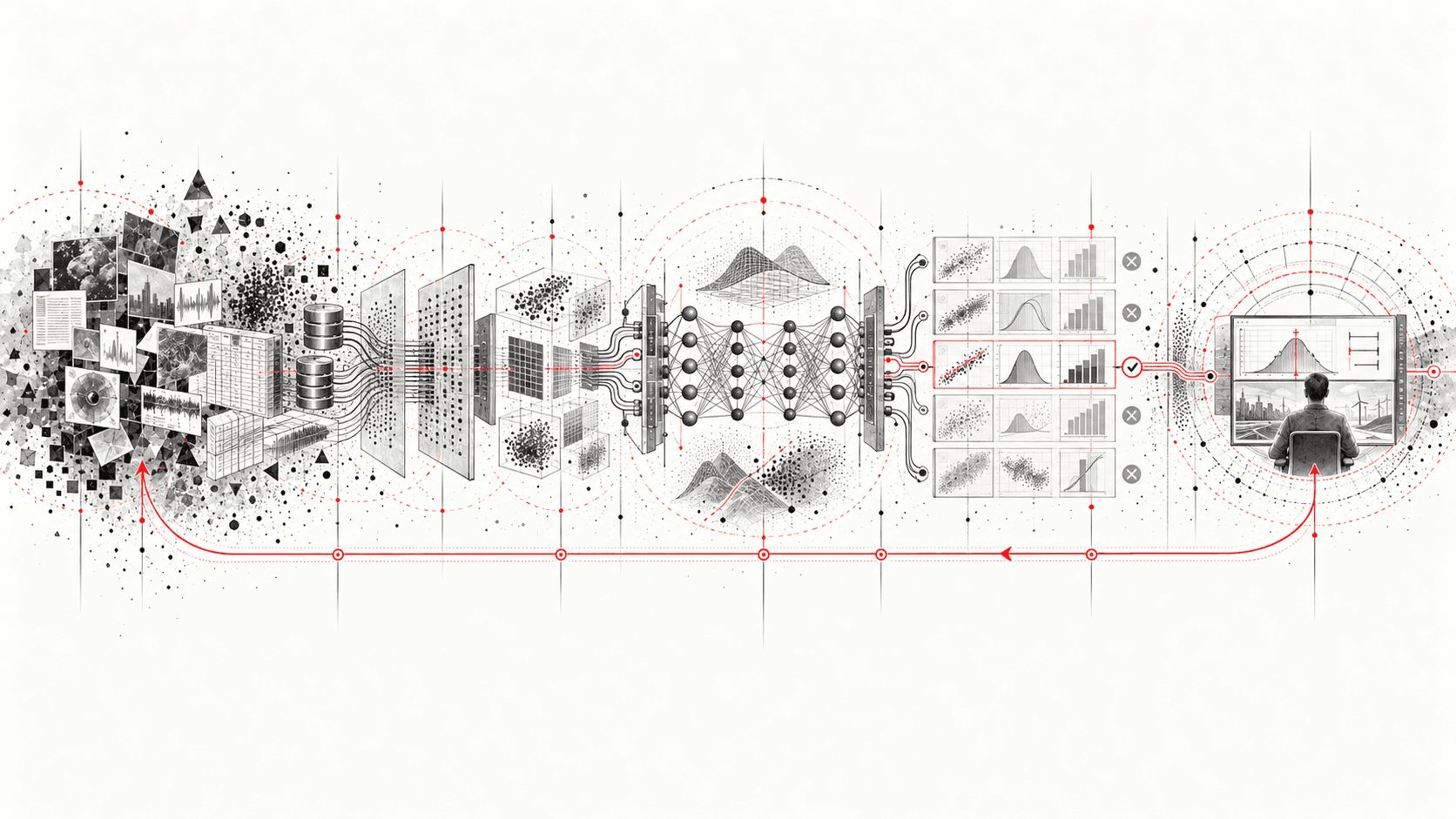
- Data
- Representation
- Model
- Evaluation
- Decision
Turning data into models, and models into evidence that can support a decision.
Framing the question, building the representation, training the model, and the part that decides whether any of it was worth doing: evaluating it honestly.
04
Computer vision & industrial AI
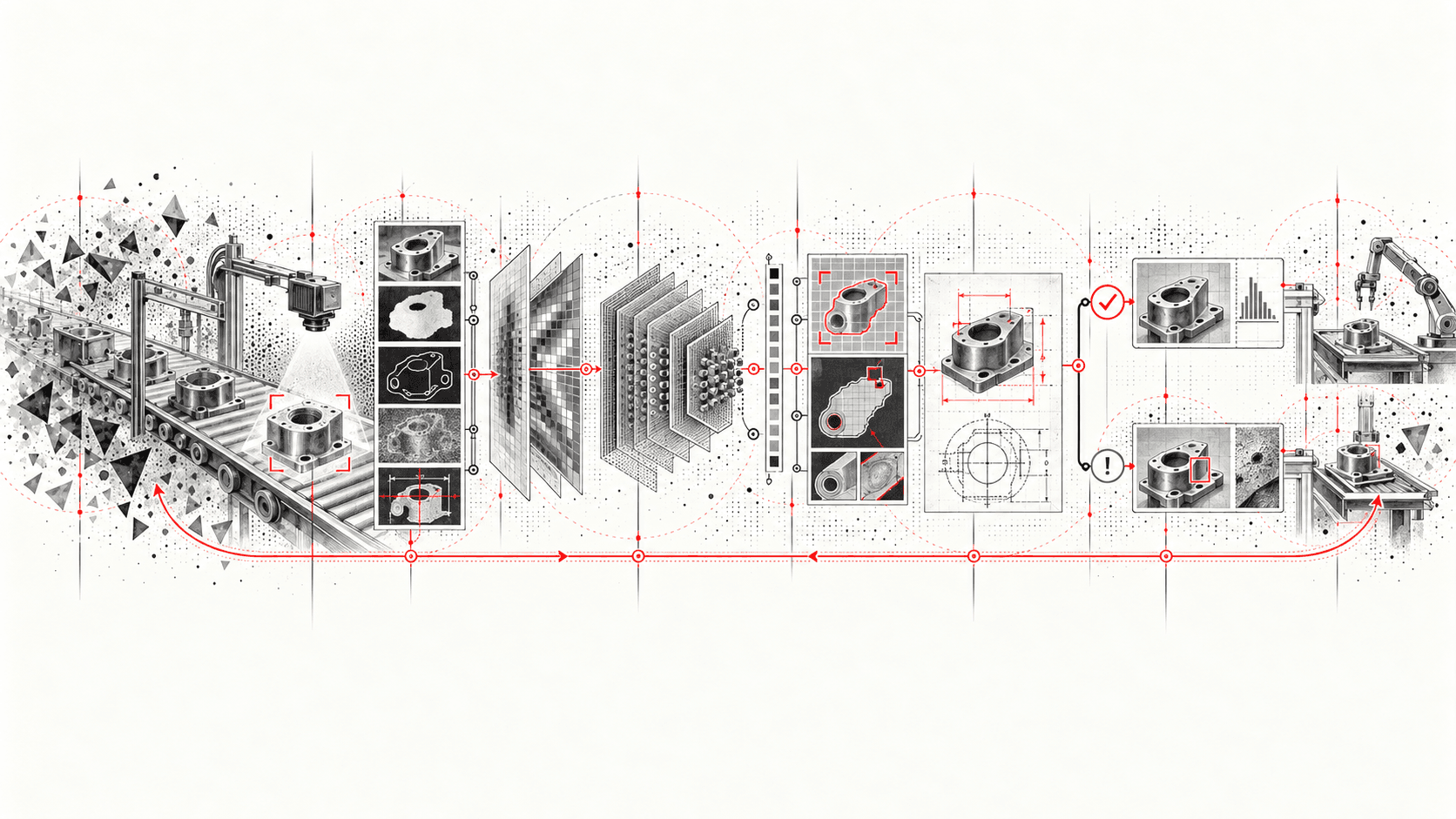
- Image
- Processing
- Model
- Verification
- Decision
Turning image data into measurable information and production-grade decisions through image processing, machine learning and deep learning.
Conventional image processing where it is sufficient; segmentation, object detection and convolutional networks where it is not; and the deployment and monitoring that make either one production-grade rather than a notebook result.
05
AI enablement
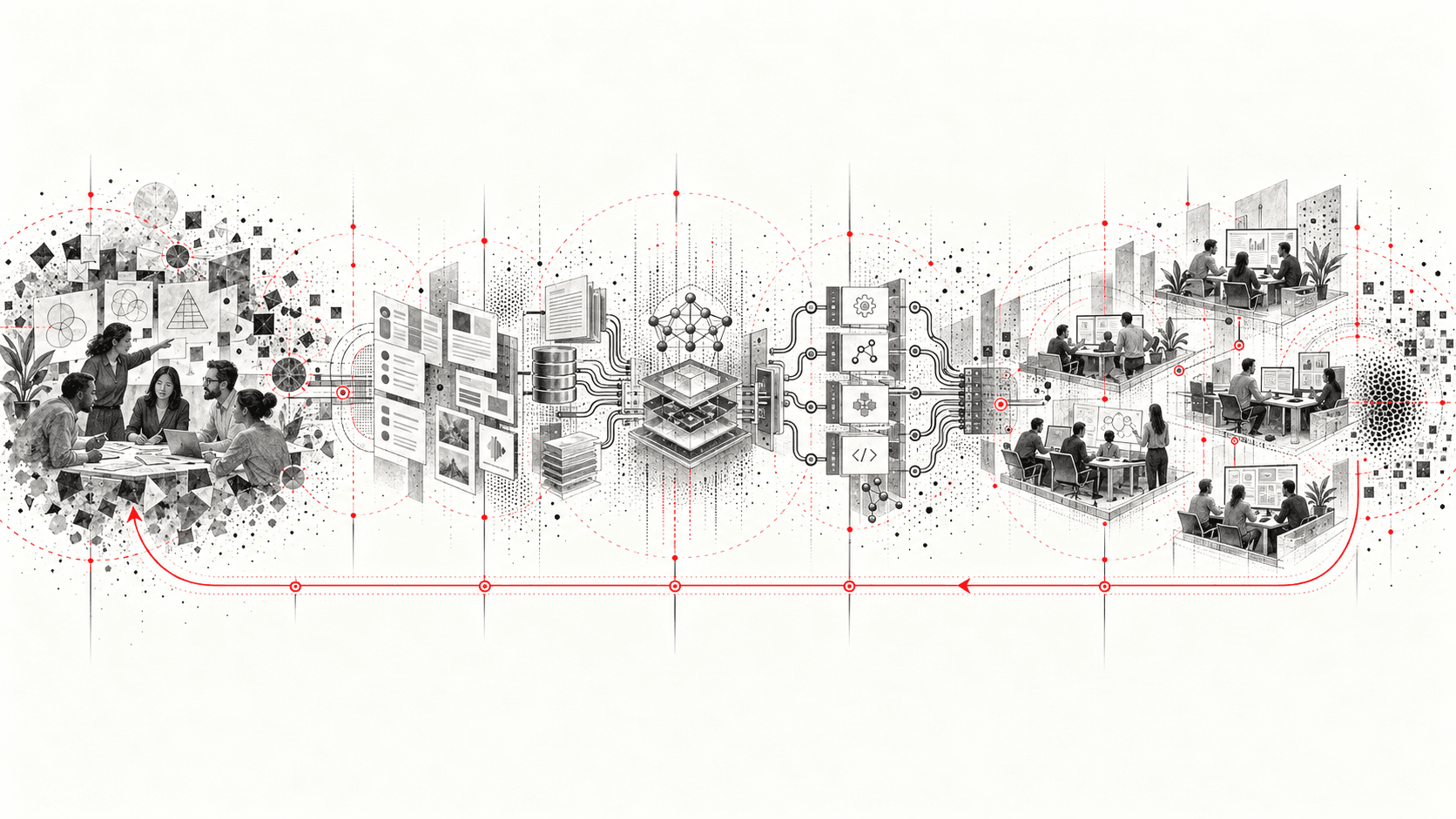
- Understanding
- Prompting
- Context
- Agents
- Agentic building
Helping people progress from understanding AI to using it, designing with it and eventually building systems around it.
Workshops, structured training and the longer work of building capability inside an organisation — taken in stages, because a team that can prompt well is not yet a team that can build and operate its own systems.